About Me
Welcome to my website! :) I am a postdoc research fellow at the Kempner Institute at Harvard University, working closely with the ML Foundations group. My research focuses on scientific understanding of machine learning, especially towards understanding and realizing methods and opportunities at small scales. My work uses a combination of theory and controlled experiments, often drawing insights from synthetic "sandbox" settings (write-up) that isolate particular aspects of complex phenomena. Most recently, I'm particularly interested in understanding how various inductive biases (from data usage, training algorithms, and architecture) affect training efficiency and inference cost.
Before Kempner, I was a postdoc fellow at the Simons Institute, participating in Special Year of Language Models and Modern Paradigm of Generalization. I got my PhD from the Machine Learning Department of Carnegie Mellon University, where I was very fortunate to be co-advised by Prof. Andrej Risteski and Prof. Pradeep Ravikumar.
I am currently on the academic job market for positions starting in Fall 2027.
Research
/
A natural question is: How much further can we push the small-scale frontier?
Simply scaling down frontier-scale recipes likely won't suffice, and we need deeper understanding on the fundamental limits of representation and learning efficiency to guide algorithm design.
My research pursues this small-scale agenda in three directions.
1. Understanding representational limits.
The first step is to ensure that the capabilities we seek are theoretically possible. We show that shallow, parallel models can be powerful at sequential reasoning (project page), and that some problems admit infinitely many feasible solutions (which also highlights challenges for interpretability). There are encouraging empirical signals too: models trained on proper synthetic data can match the performance of much larger models. Together, these findings suggest that models far smaller than today's may be possible and worth pursuing.
2. Improving learning efficiency.
Even when small models have sufficient representational capacity, learning remains a practical bottleneck.
One promising approach is knowledge distillation, which allows small "student" model to benefit from the compute already invested in training large "teacher" models. However, effective distillation requires proper teacher choice. We show that learning from the right teachers can improve sample efficiency, and propose a lightweight GRACE score for teacher selection in LLM finetuning.
There are many other ways to improve learning efficiency beyond distillation. On the data side, we find that sometimes training with less data can improve compute efficiency. When considering the optimization landscape, even small changes to the training objective can drastically affect the convergence rate, and optimizer design can make a substantial difference.
3. Closing the long-tail reliability gap.
As models become stronger, errors at the tail can be more revealing than benchmark performance. We find that Transformers can exhibit nontrivial tail errors on a simple task representable by a single-layer model, despite achieving over 99% accuracy. We trace these errors to architectural factors and identify ways to mitigate them (coming soon!). Understanding and systematically eliminating such failures will be crucial for building reliable models.
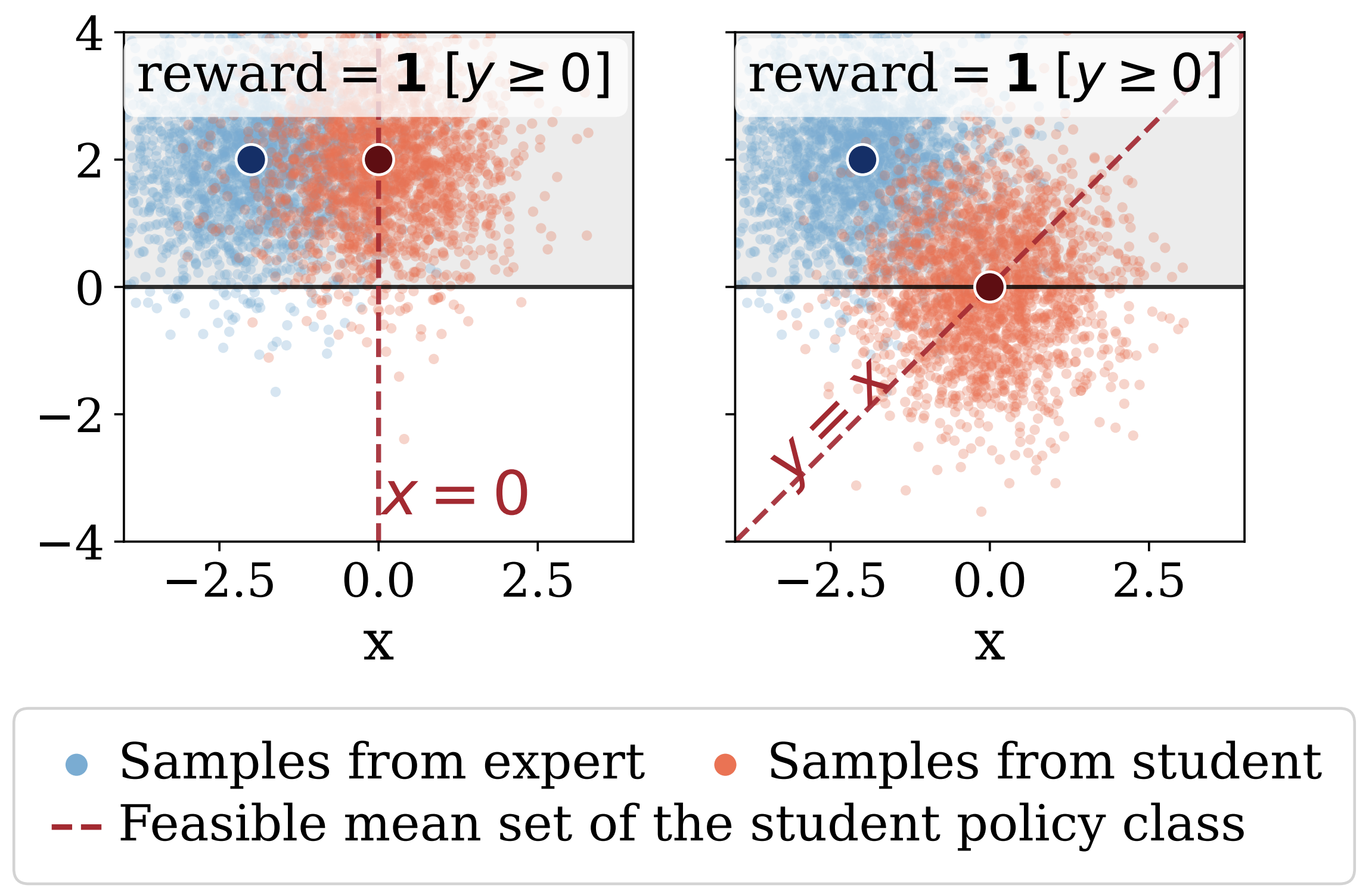
When Does Online Imitation Learning Help in LLM Post-Training? The Role of (Non-)Realizability Beyond Horizon
Huaqing Zhang, Jingchu Gai, Juno Kim, Bingbin Liu, Andrej Risteski,
NeurIPS26.
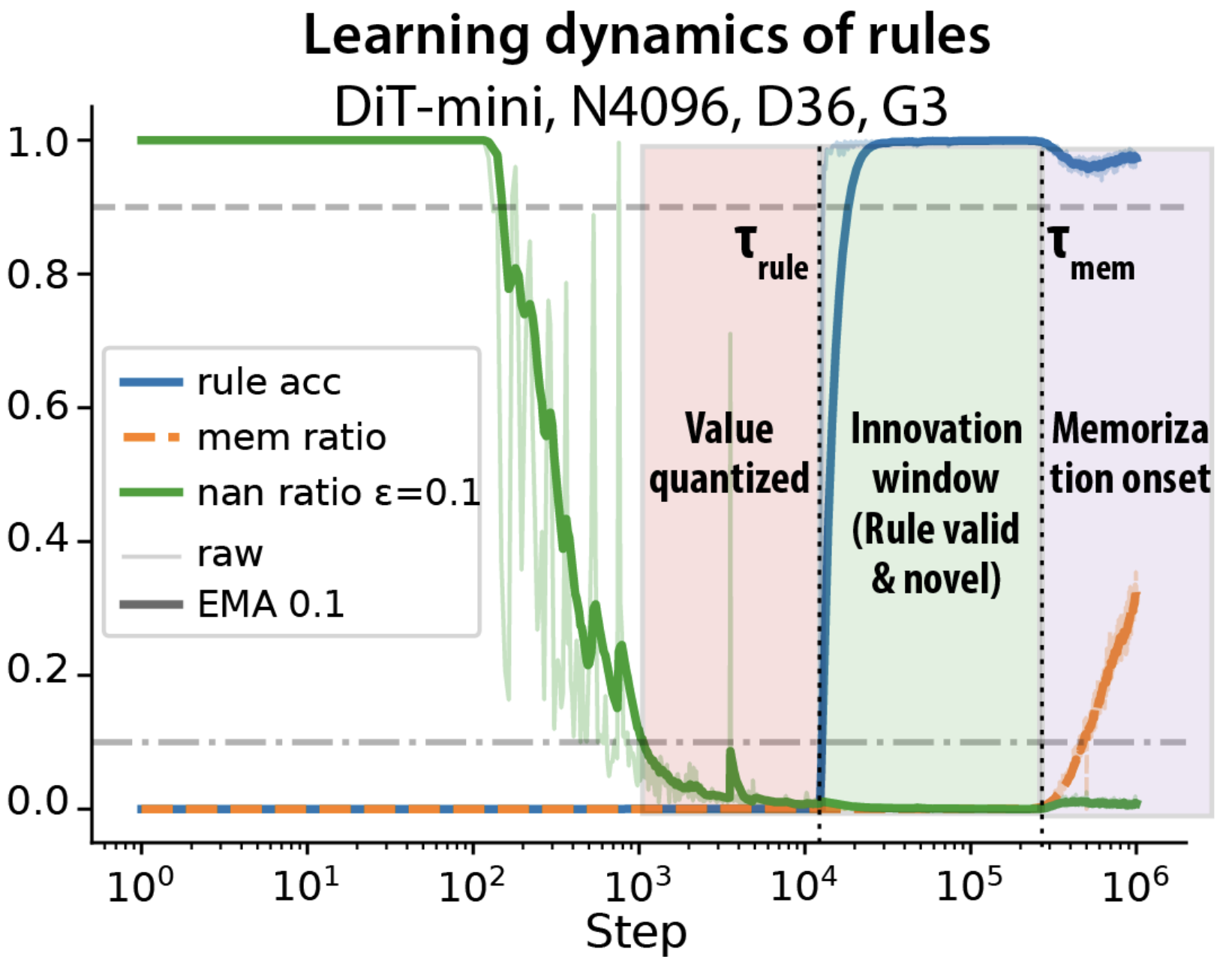
The two clocks and the innovation window: When and how generative models learn rules
Binxu Wang, Emma Lucia Byrnes Finn, Bingbin Liu
NeurIPS26. Contributed talk at SPIGM.

Less Data, Faster Training: repeating smaller datasets speeds up learning via sampling biases
Jingwen Liu, Ezra Edelman, Surbhi Goel, Bingbin Liu
ICML26. Contributed talk at Sci4DL.
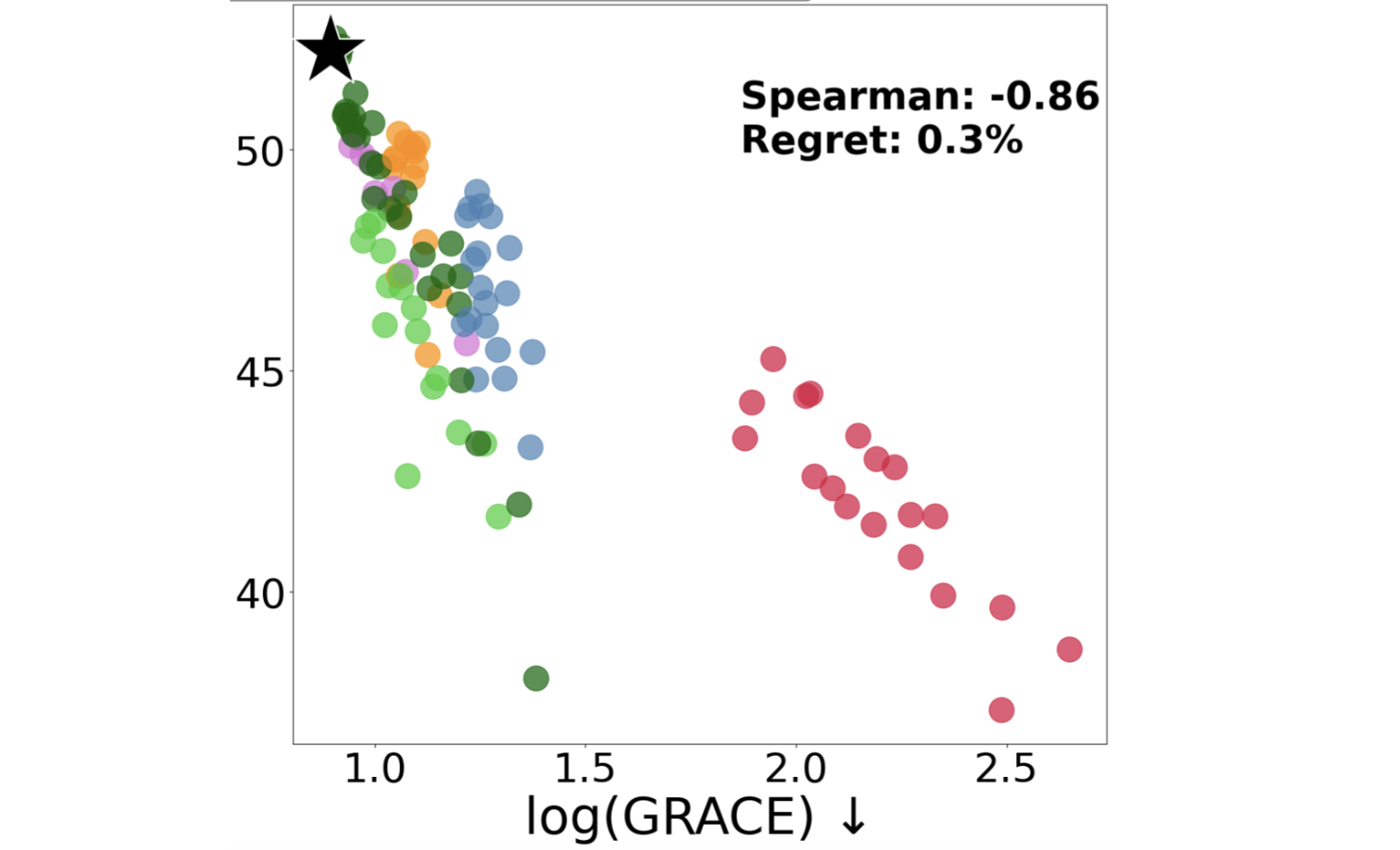
In Good GRACES: Principled Teacher Selection for Knowledge Distillation
Abhishek Panigrahi, Bingbin Liu, Sadhika Malladi, Sham M. Kakade, Surbhi Goel
ICLR26
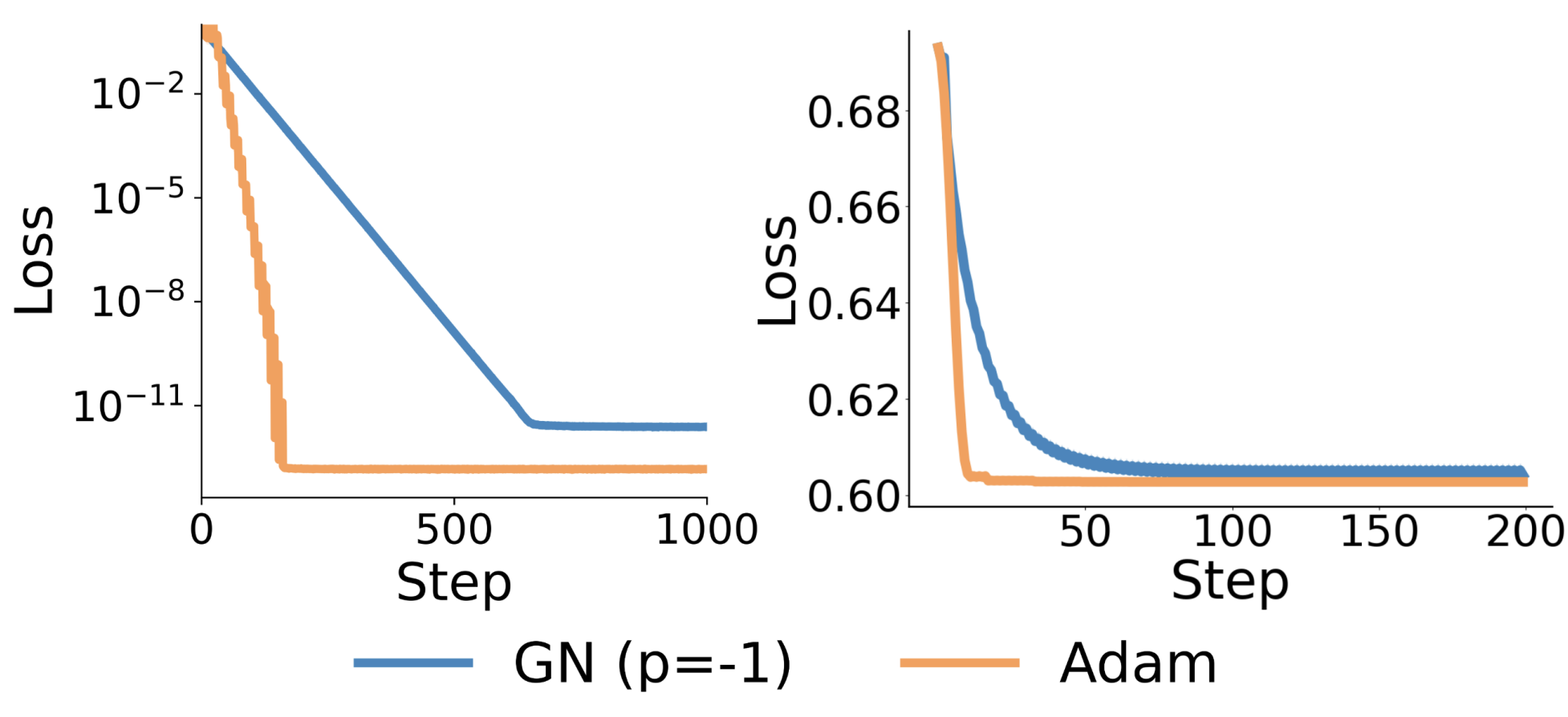
Adam or Gauss-Newton? A Comparative Study In Terms of Basis Alignment and SGD Noise
Bingbin Liu, Rachit Bansal, Depen Morwani, Nikhil Vyas, David Alvarez-Melis, Sham M. Kakade
Preprint
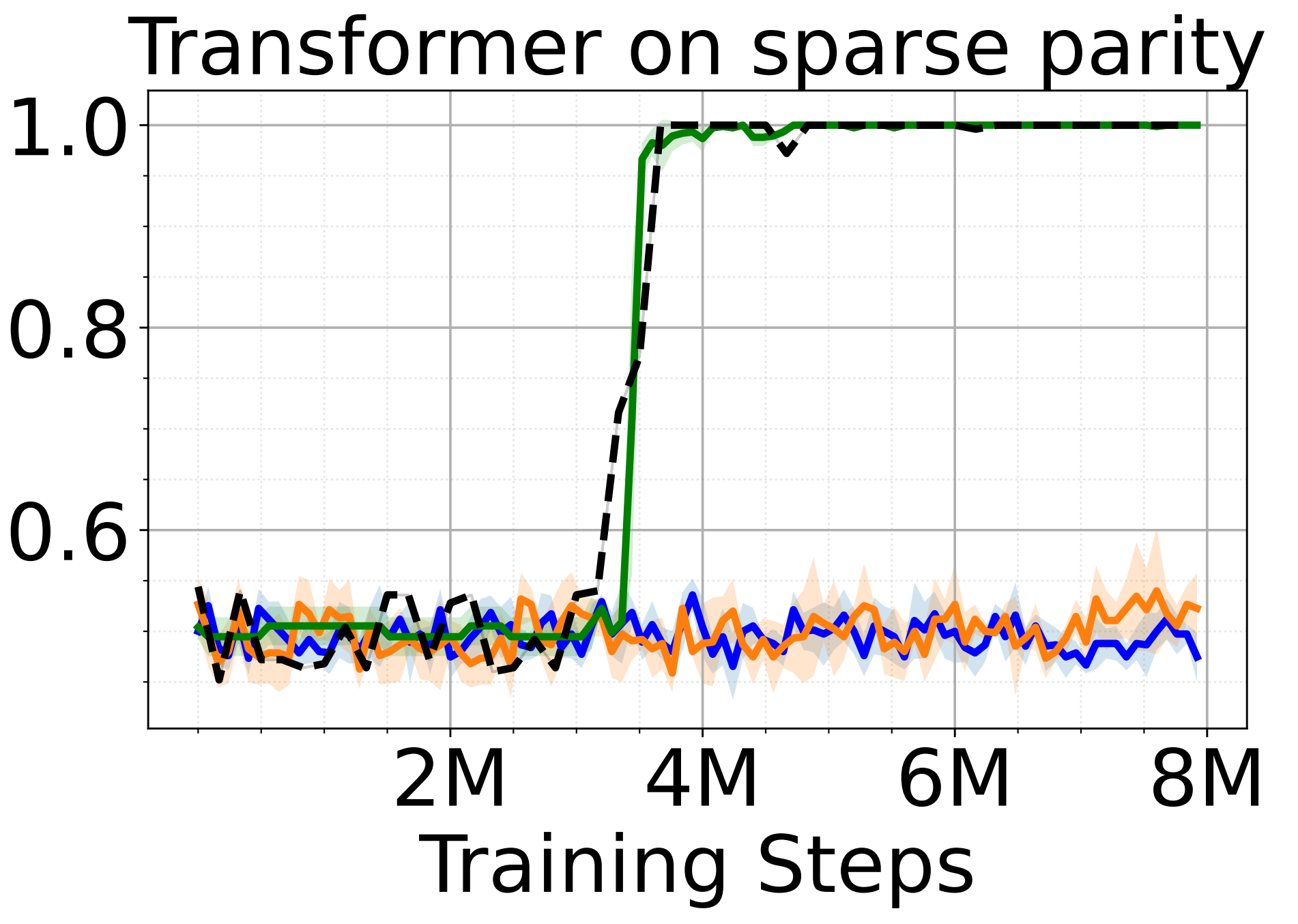
Progressive distillation induces an implicit curriculum
Abhishek Panigrahi*, Bingbin Liu*, Sadhika Malladi, Andrej Risteski, Surbhi Goel
ICLR25 (Oral)

Tinygsm: achieving> 80% on gsm8k with small language models
Bingbin Liu, Sebastien Bubeck, Ronen Eldan, Janardhan Kulkarni, Yuanzhi Li, Anh Nguyen, Rachel Ward, Yi Zhang,
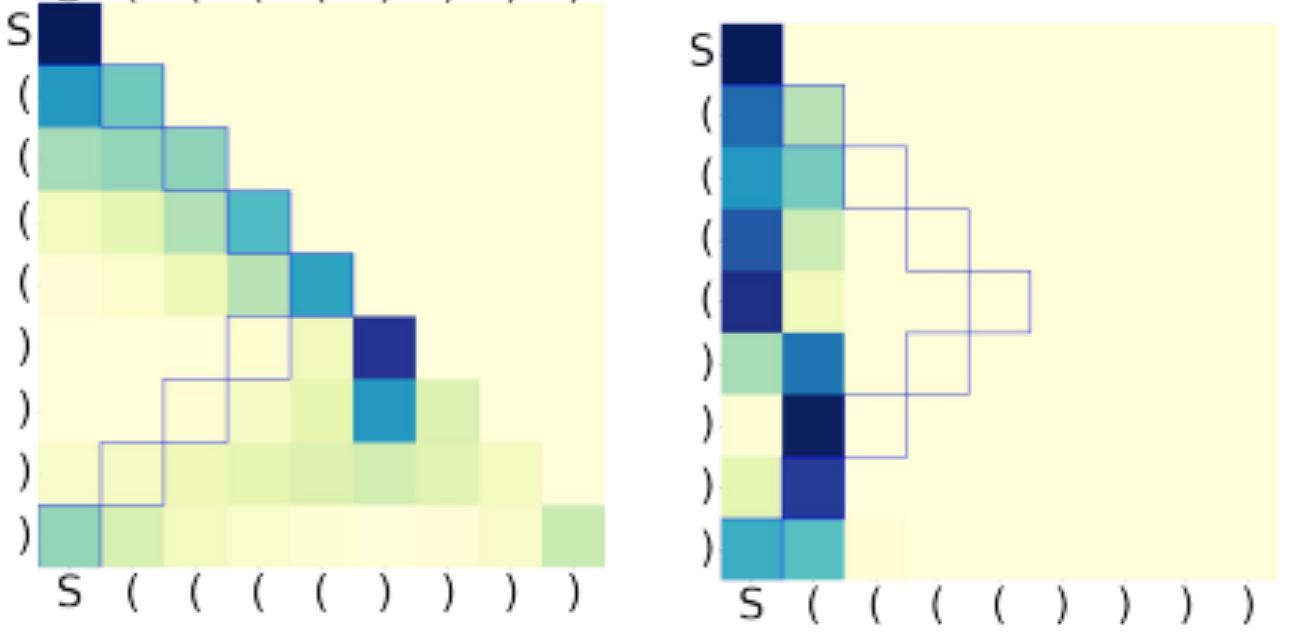
(Un)interpretability of Transformers: a case study with bounded Dyck grammars
Kaiyue Wen, Yuchen Li, Bingbin Liu, Andrej Risteski
NeurIPS 2023
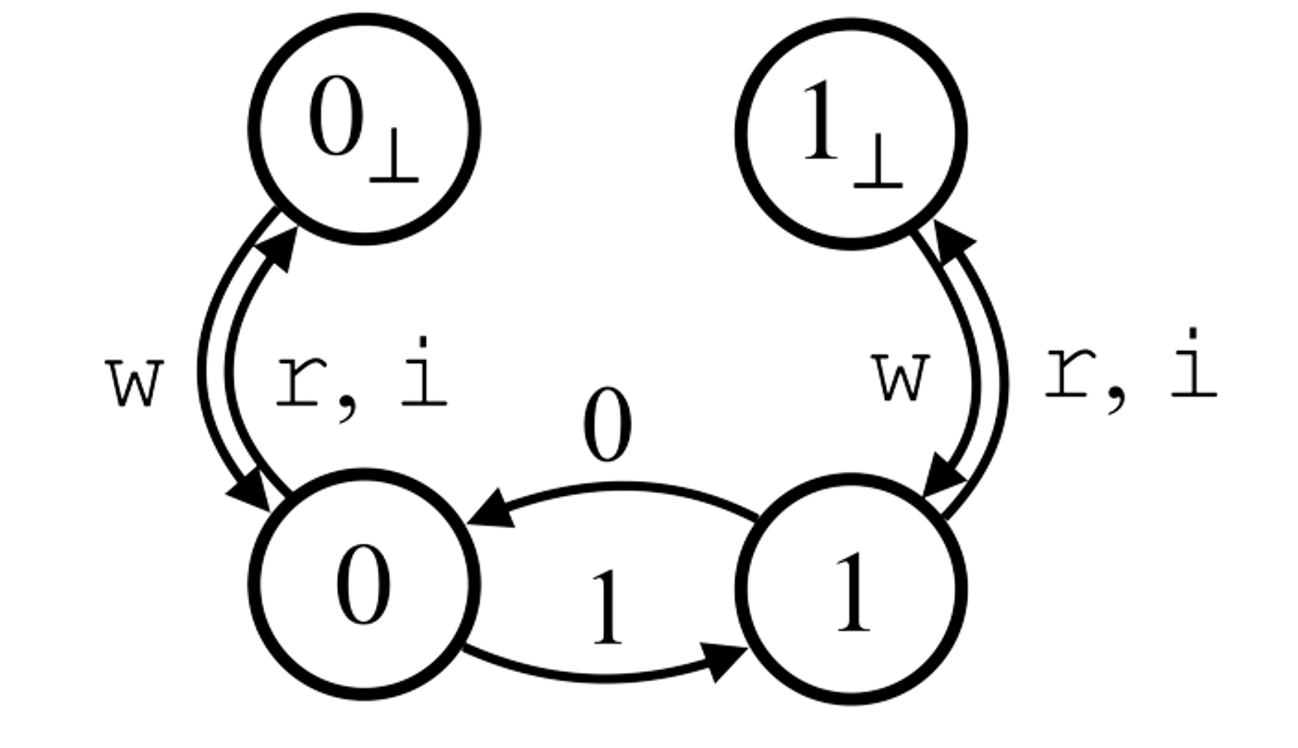
Exposing Attention Glitches with Flip-Flop Language Modeling
Bingbin Liu, Jordan T. Ash, Surbhi Goel, Akshay Krishnamurthy, Cyril Zhang
NeurIPS 2023 (Spotlight)
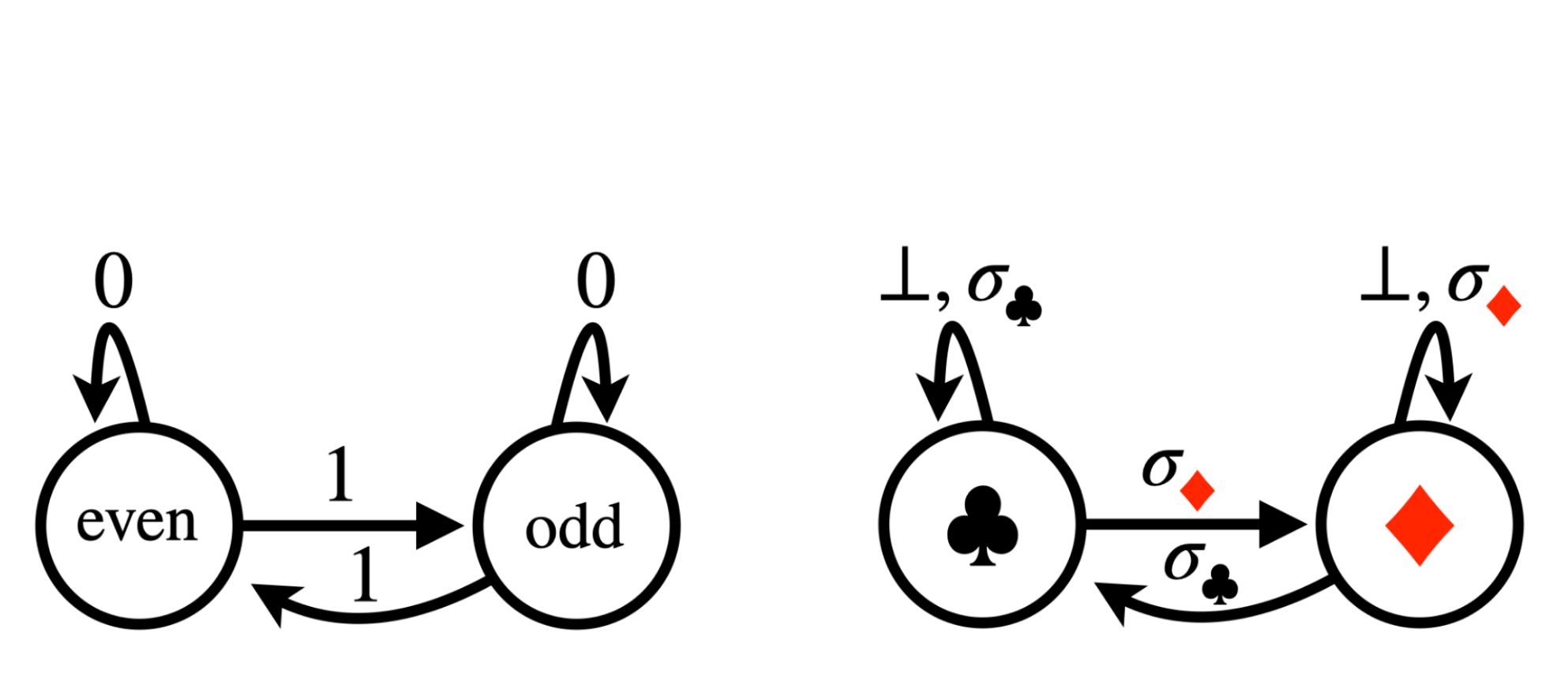
Transformers Learn Shortcuts to Automata
Bingbin Liu, Jordan T. Ash, Surbhi Goel, Akshay Krishnamurthy, Cyril Zhang
ICLR 2023 (Oral)
Masked prediction tasks: a parameter identifiability view
Bingbin Liu, Daniel Hsu, Pradeep Ravikumar, Andrej Risteski
NeurIPS 2022
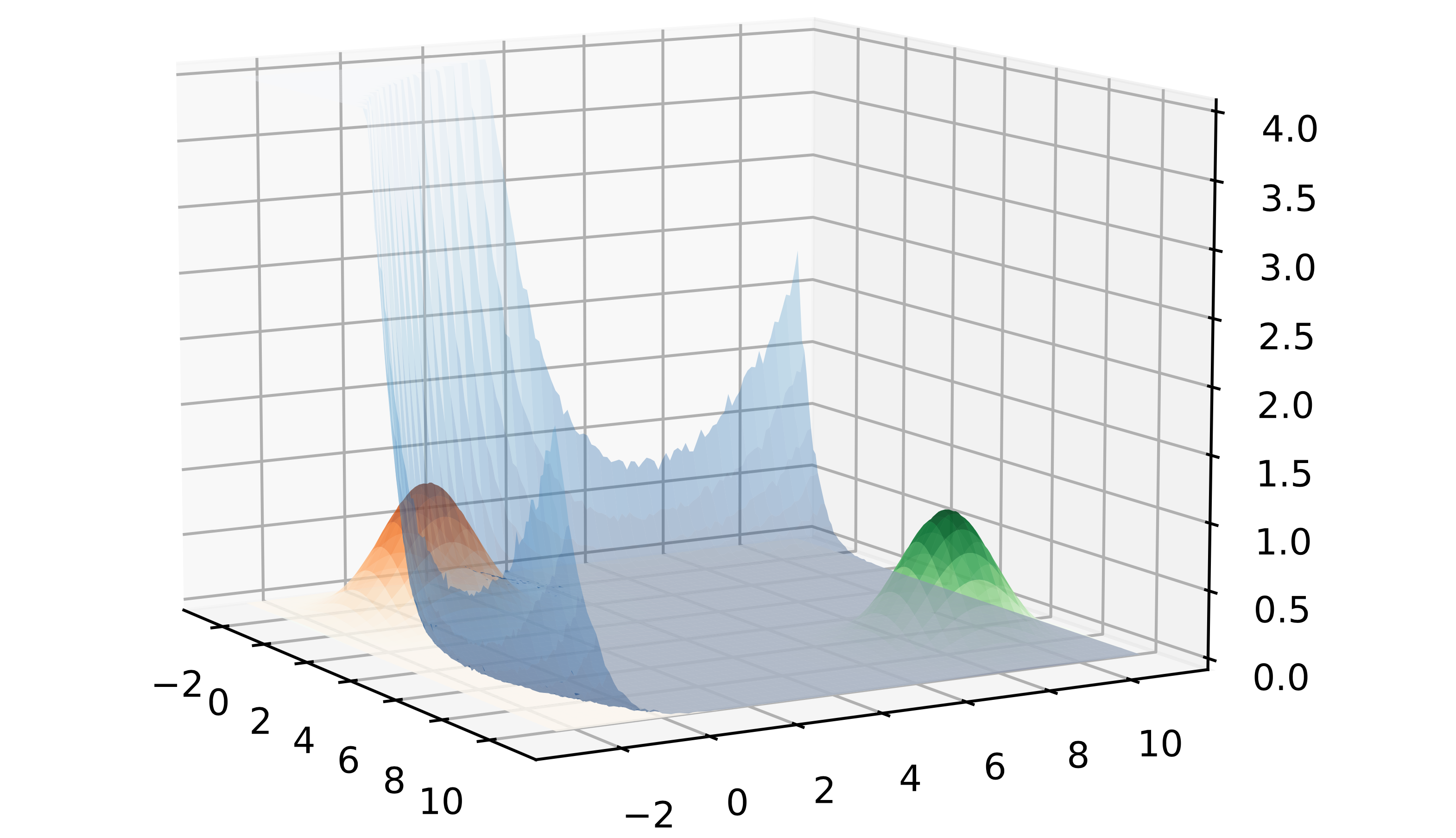
Analyzing and improving the optimization landscape of noise-contrastive estimation
Bingbin Liu, Elan Rosenfeld, Pradeep Ravikumar, Andrej Risteski
ICLR 2022 (Spotlight)
Contrastive learning of strong-mixing continuous-time stochastic processes
Bingbin Liu, Pradeep Ravikumar, Andrej Risteski
AISTATS 2021
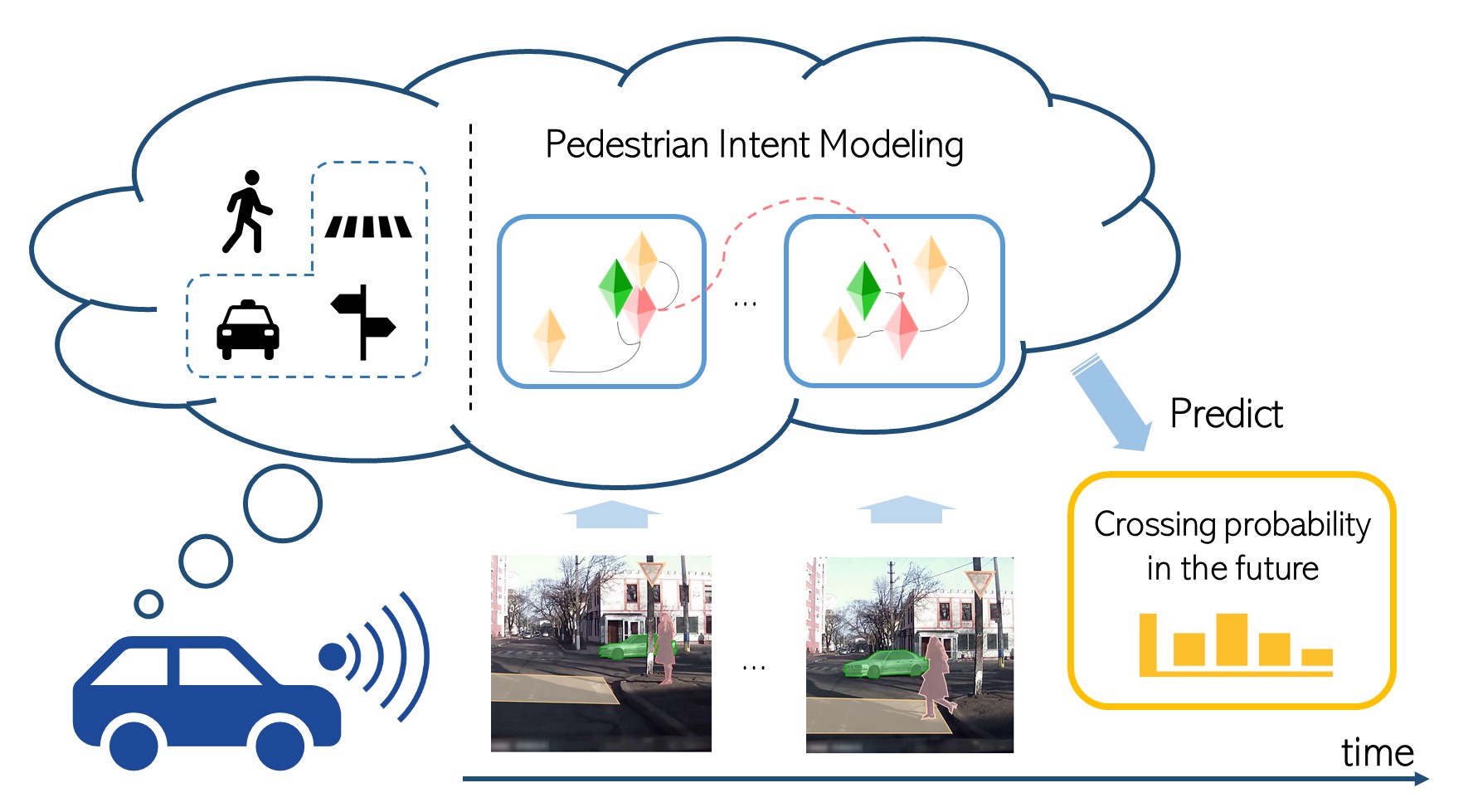
Spatiotemporal Relationship Reasoning for Pedestrian Intent Prediction
Bingbin Liu, Ehsan Adeli, Zhangjie Cao, Kuan-Hui Lee, Abhijeet Shenoi, Adrien Gaidon, Juan Carlos Niebles
IEEE-RAL & ICRA 2020
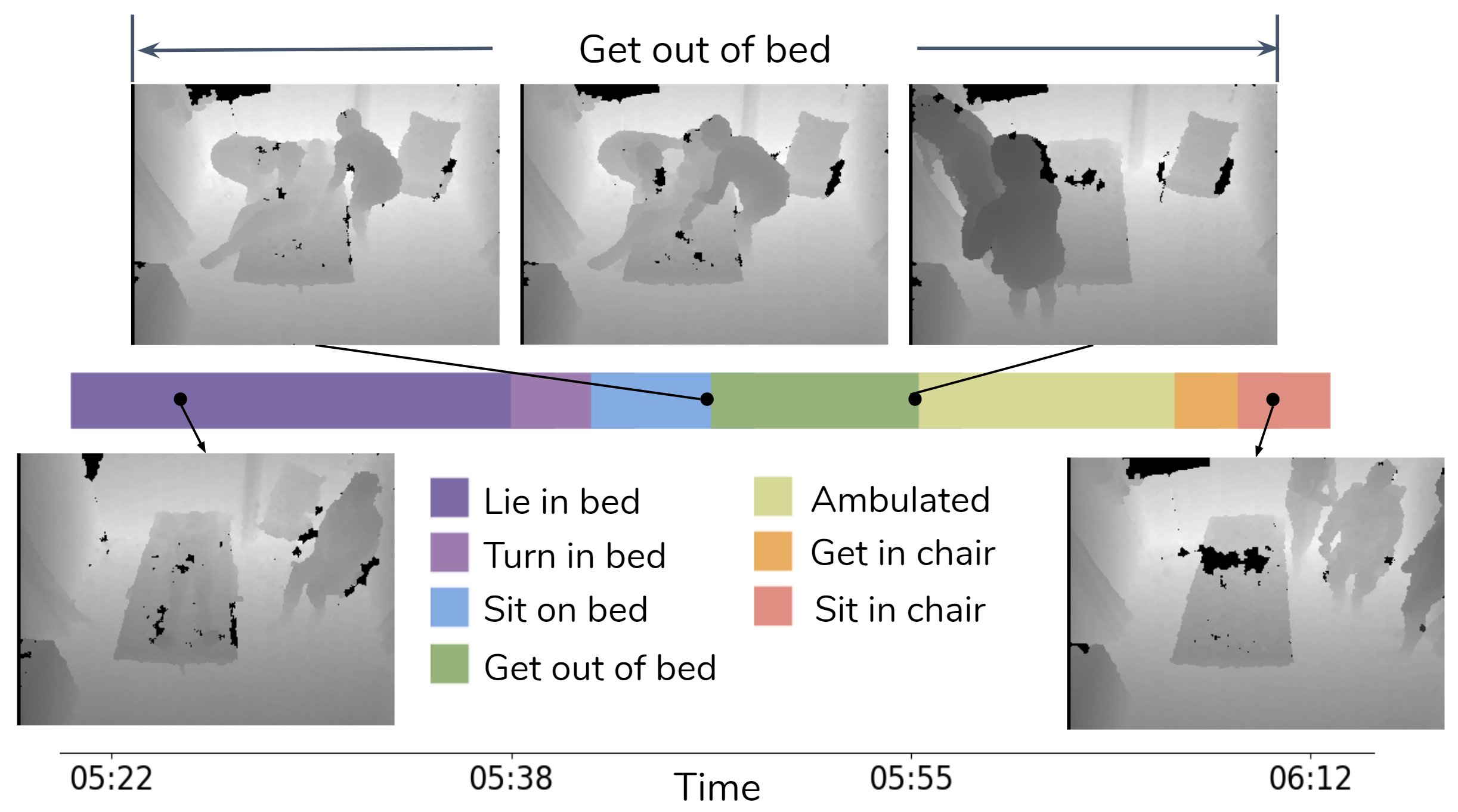
A Computer Vision System to Detect Bedside Patient Mobilization
Serena Yeung*, Francesca Rinaldo*, Jeffrey Jopling, Bingbin Liu, Rishab Mehra, Lance Downing, Michelle Guo, Gabriel Bianconi, Alexandre Alahi, Julia Lee, Brandi Campbell, Kayla Deru, William Beninati, Li Fei-Fei, Arnold Milstein.
Nature Digital Medicine, 2019
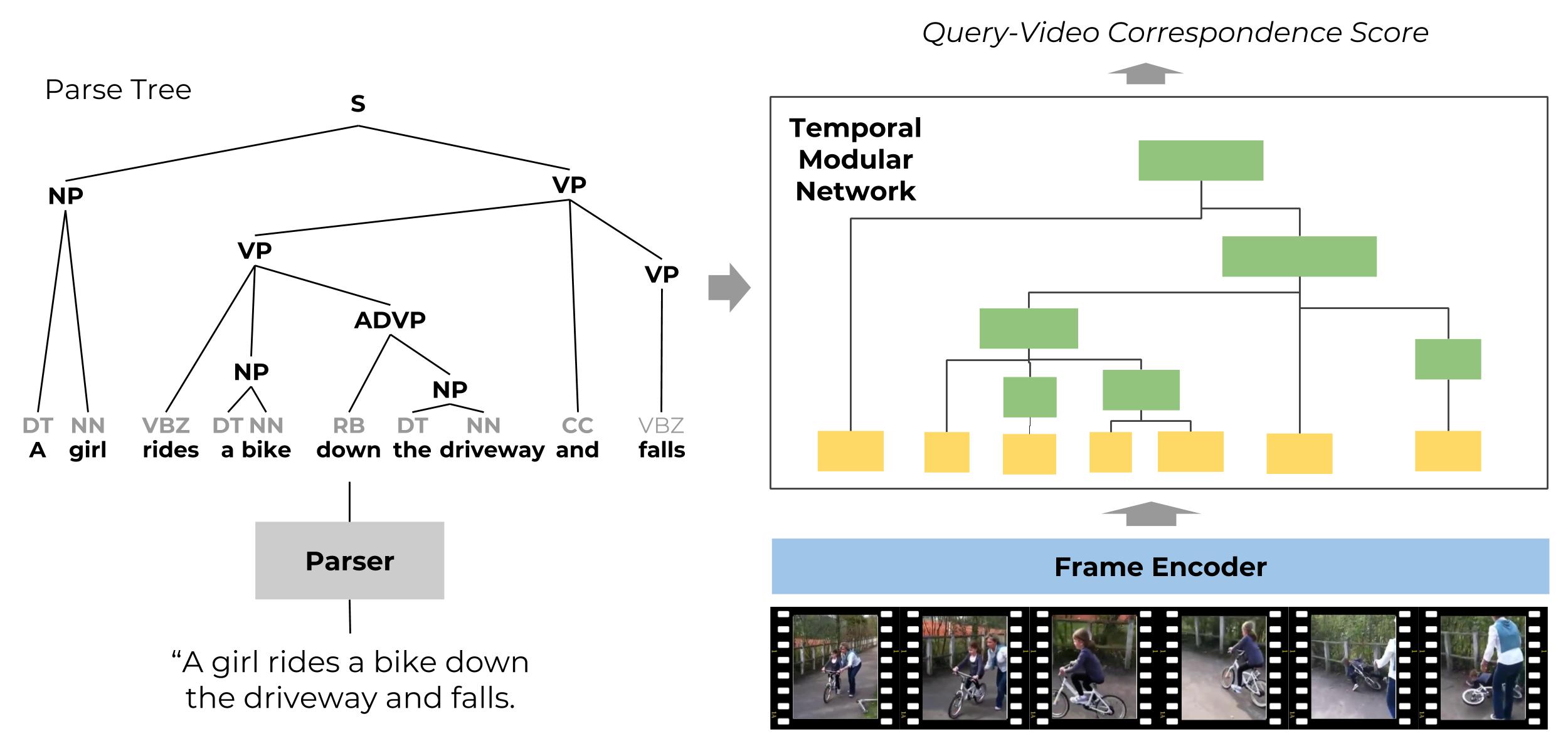
Temporal Modular Networks for Retrieving Complex Compositional Activities in Videos
Bingbin Liu, Serena Yeung, Edward Chou, De-An Huang, Li Fei-Fei, Juan Carlos Niebles
ECCV 2018
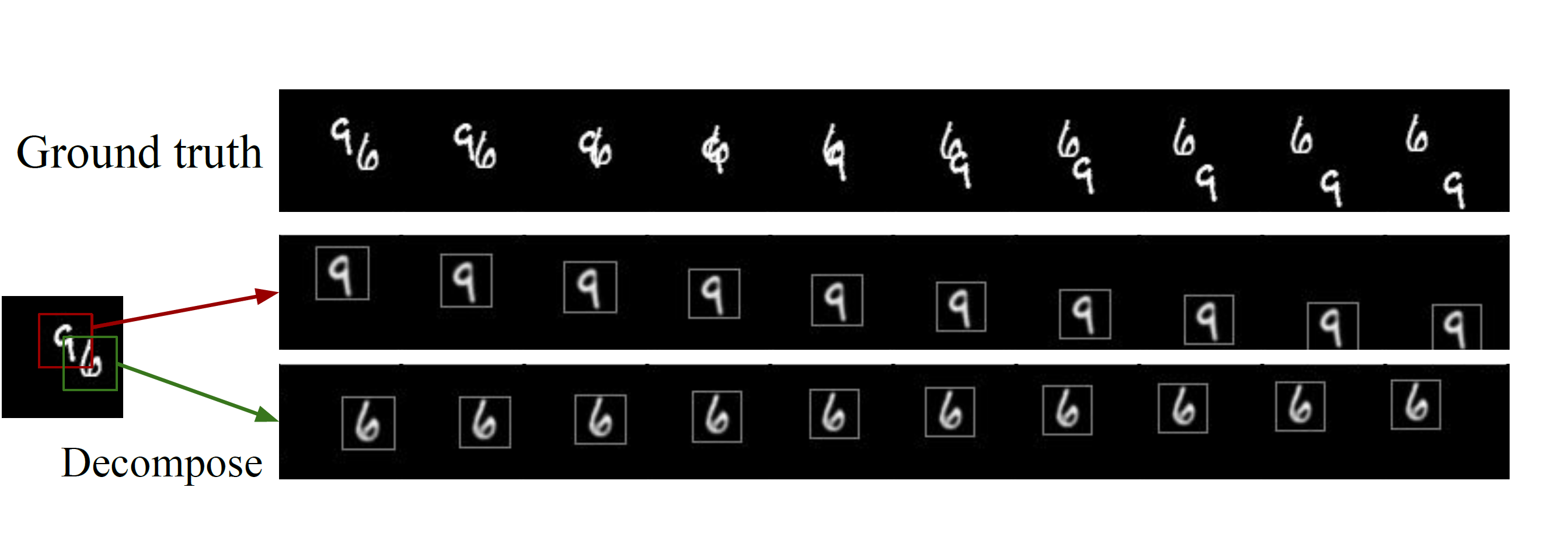
Learning to Decompose and Disentangle Representations for Video Prediction
Jun-Ting Hsieh, Bingbin Liu, De-An Huang, Li Fei-Fei, Juan Carlos Niebles
NeurIPS 2018
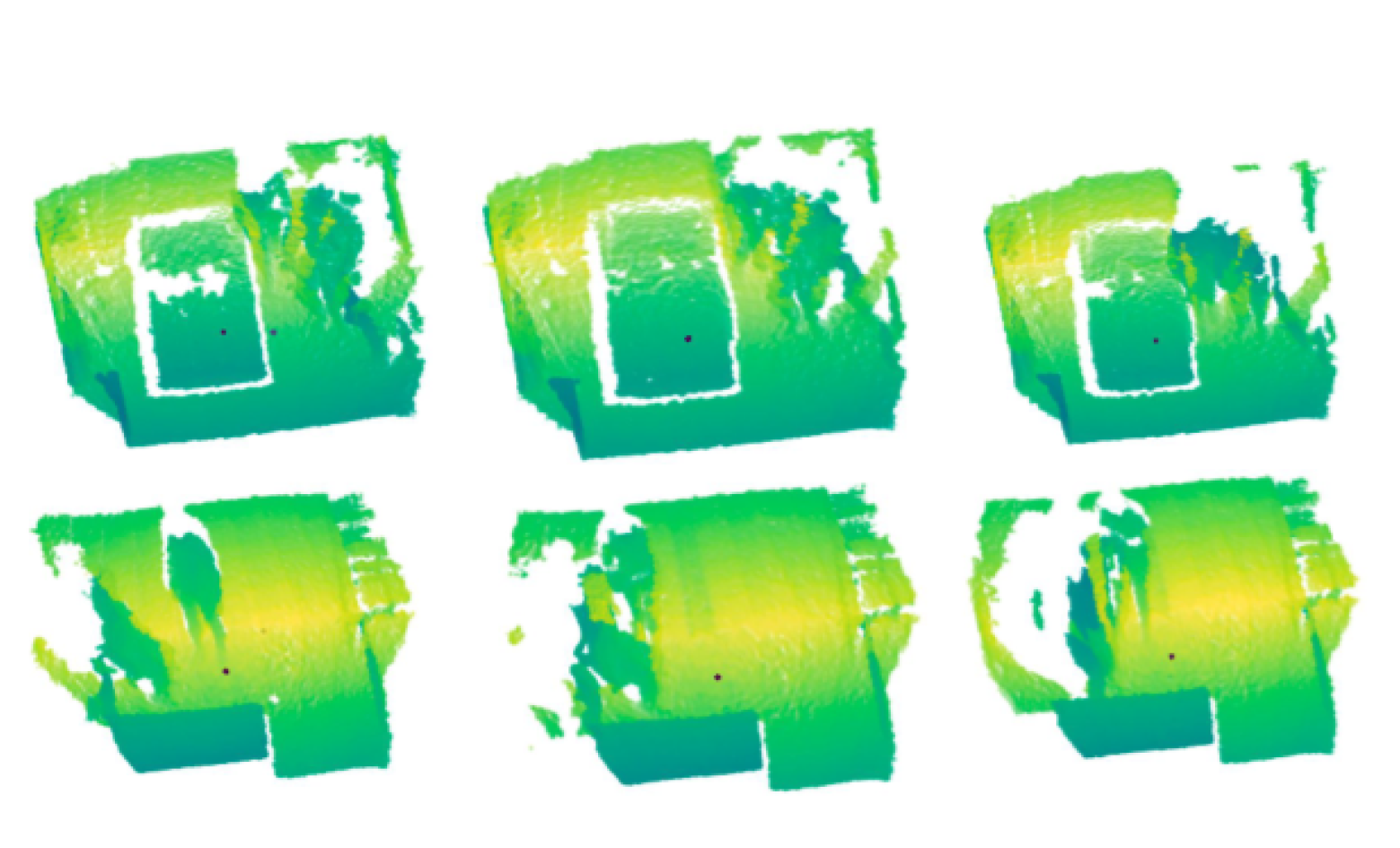
3D Point Cloud-Based Visual Prediction of ICU Mobility Care Activities
Bingbin Liu*, Michelle Guo*, Edward Chou, Rishab Mehra, Serena Yeung, N. Lance Downing, Francesca Salipur, Jeffrey Jopling, Brandi Campbell, Kayla Deru, William Beninati, Arnold Milstein
MLHC 2018
Activities
Talks
-
Understanding and Realizing the Potential of Smaller Models
Talk at the UIUC Machine Learning Seminar at Fall 2026.
[Slides]
-
Improving Reasoning Efficiency Through Theoretically Informed Sandboxes
Talk at the Understanding Large Language Models via a TCS Lens workshop at STOC2026
[Slides] -
NeurIPS24 Tutorial: Sandbox for the Blackbox: How LLMs Learn Structured Data?
Tutorial at NeurIPS 2024, together with Ashok Vardhan Makkuva and Jason Lee.
[NeurIPS page | Project page | Write-up] -
Guiding machine learning design with insights from simple testbeds
Talk at the Cornell Junior Theorists' Workshop at Cornell University, Spring 2024.
[Slides]
-
Less Data, Faster Training.
Talk at Simons Reunion workshop and FAI seminar, Summer 2026. [Slides]
-
Learning from the Right Teacher in Knowledge Distillation
Talk at Columbia University hosted by Daniel Hsu, Fall 2025 and Algorithmic Advances in Generative AI Conference at Duke University, Spring 2026. [Slides] -
Improving training with progressive distillation
Remote talks hosted by Yusu Wang and 6th Youth in High-Dimensions at ICTP, 2025. [Slides]
-
Capabilities and limitations of Transformer in sequential reasoning
Talk at the Special Year of Language Models and Transformers program at the Simons Institute, Fall 2024. [Slides] -
Thinking Fast with Transformers: algorithmic reasoning with shortcuts
Remote talks hosted by the Math Machine Learning seminar MPI MIS + UCLA, Chris Maddison, and FAI-Seminar, 2023. [Slides] -
Exposing Attention Glitches with Flip-Flop Language Modeling
Remote talk at Women in AI & Robotics, Spring 2025. [Slides] -
Transformers Learn Shortcuts to Automata
Remote talks hosted by Formal Languages and Neural Networks Seminar and Jacob Steinhardt, 2022-2023. [Slides]
Organized Events
- Methods and Opportunities at Small Scale (MOSS) workshop at ICML 2025 and COLM 2026.
- LeT-All Mentorship Workshops in Fall 2025, COLT 2026, Fall 2026 (to come! :)).
- Kempner workshop on Learning Dynamics in Natural and Artificial Intelligence.
- Mathematics of Modern Machine Learning (M3L) workshop series at NeurIPS 2024 and NeurIPS 2023.
- Parallel vs Recurrent Models reading group at Simons Institute, Fall 2024.
Misc
I want to keep a list of good advice I've received from various friends and mentors. Please let me know if you have recommendations (especially since I'm doing a horrible job at gender balance here)!
- The most important points: Value (and protect) your time, the power of writing, and clarity of thought. Be kind.
- PhD can be intense and/or rewarding. It's a very personal journey but you're very likely not alone. In case you want to hear from some fellow PhD students/graduates, here's some advice by Karl Stratos, Kevin Gimpel, Matt Might, Ben Chugg.
-
Research advice by
R. W. Hamming,
Terence Tao,
Patrick Winston (how to speak),
Larry McEnerney (how to write),
Ankur Moitra (how to do theory),
Aaditya Ramdas (how to read papers),
John N. Tsitsiklis (how to write technical contents),
Jennifer Rexford (how to land a faculty position, but the advice is more broadly applicable).
LeT-All also has nice advice on various topics from multiple years! - How to contribute to the society positively? So many ways! I'm particularly interested in (AI for) education (Dhruv Madeka's post).
Random. Some photos of places I've lived and furry friends I met along the way.
A Connections game for our wedding.
(More to be continued :))